
What Can and Cannot Be Placed in Skips? Waste Disposal Guide
Managing waste efficiently begins with understanding what belongs inside a skip and what requires alternative disposal methods. Whether clearing a home, renovating a property, landscaping a garden, or managing commercial premises, knowing what materials are accepted helps projects run more smoothly while supporting responsible waste management.
We help homeowners, landlords, surveyors, local authorities, and businesses manage waste efficiently across residential and commercial properties. Understanding the correct way to dispose of different materials helps avoid delays, unnecessary collections, and environmental harm. Whether handling household rubbish or construction debris, choosing the right approach makes every clearance project far easier to manage.
Many people use skips because they provide a convenient way to collect large quantities of waste in one place before it is transported for sorting and processing. However, not every item can be placed inside a skip, and understanding the difference helps ensure collections are completed efficiently.
Understanding What Can Be Placed Inside a Skip
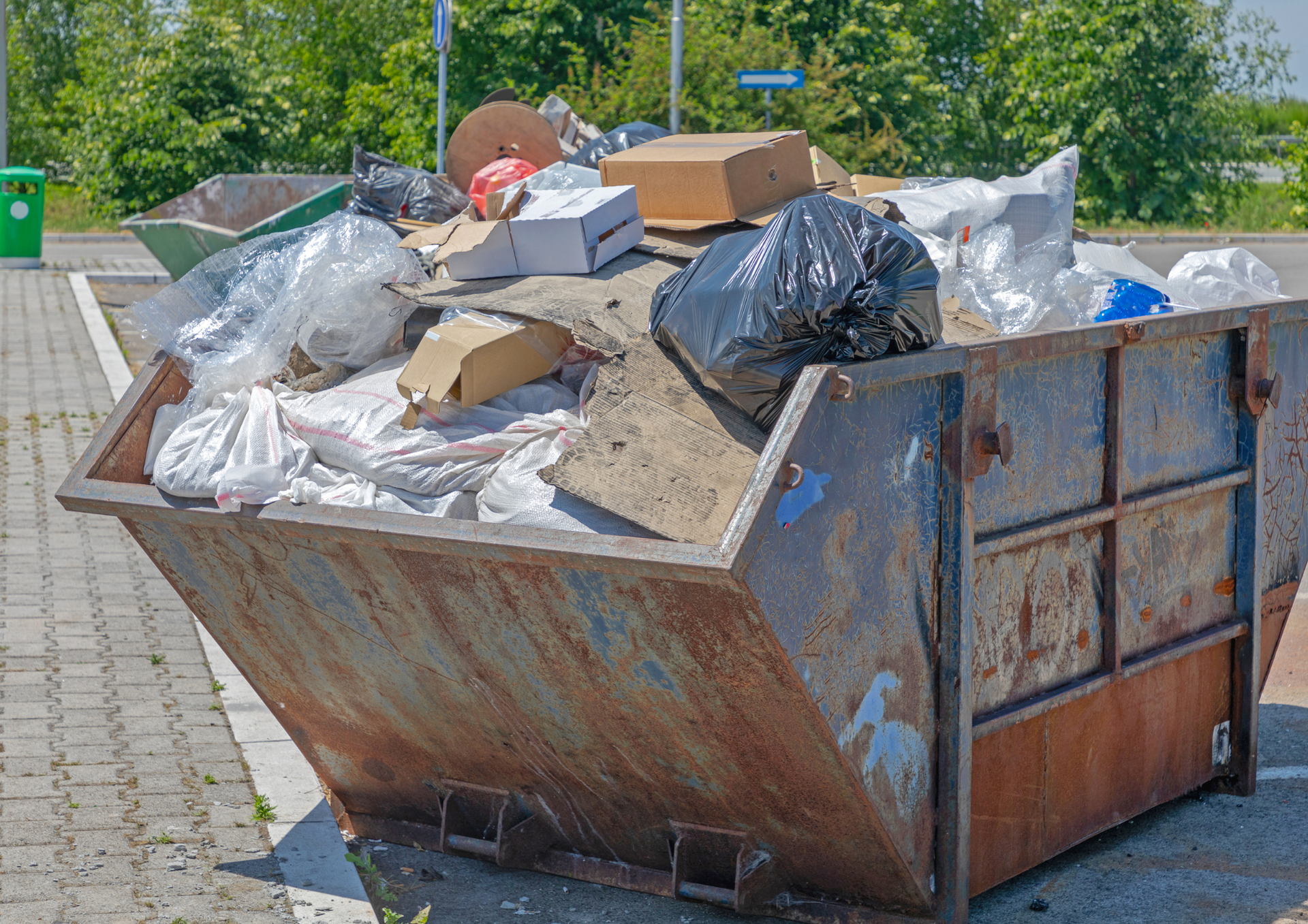
Most general household, garden, and construction waste can be disposed of safely using a skip. These materials are commonly accepted because they can be sorted, recycled, or processed through established waste management facilities.
Typical acceptable materials include:
- General household waste from property clearances.
- Furniture that is no longer required.
- Timber and untreated wood.
- Soil, bricks, rubble, concrete, and hardcore.
- Garden waste such as branches, hedge cuttings, grass, and leaves.
- Cardboard, paper, and certain plastics.
- Old kitchen units and bathroom fittings.
- Flooring materials including laminate and carpets.
- Non-electrical fixtures and fittings.
- Metal items including pipes, radiators, and steel components.
Many renovation and refurbishment projects generate a mixture of these materials, making skips an effective solution for keeping sites organised while reducing repeated journeys to local waste facilities.
Before beginning larger projects, many customers prefer to order a skip to ensure waste can be removed steadily as work progresses. Planning ahead often improves site safety and reduces unnecessary disruption throughout the project.
Materials That Cannot Be Placed in a Skip
Certain items require specialist disposal because they may present environmental, chemical, or safety risks. These materials should never be mixed with general waste.
Items commonly prohibited include:
- Asbestos-containing materials.
- Paints, solvents, varnishes, and chemicals.
- Gas cylinders.
- Fuel containers containing petrol or diesel.
- Clinical or medical waste.
- Fire extinguishers.
- Batteries of all types.
- Tyres.
- Electrical appliances requiring specialist recycling.
- Fluorescent tubes and certain light fittings.
- Explosives or hazardous substances.
- Liquid waste.
These items are handled through dedicated collection and recycling services designed specifically for potentially hazardous materials. If uncertain about any item, seeking advice before loading the skip can prevent unnecessary delays during collection. Many customers also prefer to skip online bookings because they can arrange delivery quickly while confirming any disposal restrictions before work begins.
Choosing the Right Skip for Different Projects
Selecting an appropriate skip size plays an important role in managing waste efficiently. Choosing a container that matches the scale of the project helps reduce unnecessary collections while avoiding overfilling.
Smaller projects often include:
- Garage clearances.
- Garden maintenance.
- Single-room refurbishments.
- Small DIY improvements.
Medium-sized projects may involve:
- Kitchen renovations.
- Bathroom replacements.
- Flooring removal.
- Roofing materials.
- Landscaping work.
Larger projects frequently include:
- House renovations.
- Commercial refurbishments.
- Construction developments.
- Office clearances.
- Large property maintenance programmes.
Loading waste carefully also improves efficiency. Heavier materials should be placed evenly across the base, while lighter items can be stacked above to maximise available space. Keeping waste below the fill line allows safe transportation and ensures collection can proceed without complications.
Although many people casually refer to skip's when discussing waste containers, the important consideration is choosing the correct size and using it appropriately for the materials being disposed of.
Responsible Waste Disposal Supports Better Projects
Responsible waste management benefits both individual projects and the wider community. Using skips to separate and contain waste efficiently allows more recyclable materials to be recovered, reducing the amount sent for final disposal while supporting more sustainable resource management.
Whether maintaining residential properties, preparing rental accommodation, upgrading commercial premises, or carrying out public sector improvements, organised waste handling helps projects remain cleaner, safer, and more efficient.
Planning waste removal before work begins allows contractors, homeowners, and property managers to focus on the project itself rather than dealing with overflowing rubbish or multiple disposal trips. Clear access, careful loading, and compliance with accepted waste guidelines all contribute towards a smoother overall process.
Skip Hire Ashford is committed to providing dependable waste management solutions for homeowners, landlords, surveyors, local authorities, and businesses across residential and commercial properties. We focus on straightforward service, reliable deliveries, and practical guidance that helps customers choose the most suitable solution for their projects.
Our professional approach, local knowledge, and commitment to responsible waste management make us a trusted choice for projects of every size. We provide reliable skips to help customers complete clearances efficiently while keeping waste disposal simple, organised, and convenient.
Just out on X: Helpful
skips advice for safe and responsible waste disposal.
You might also like