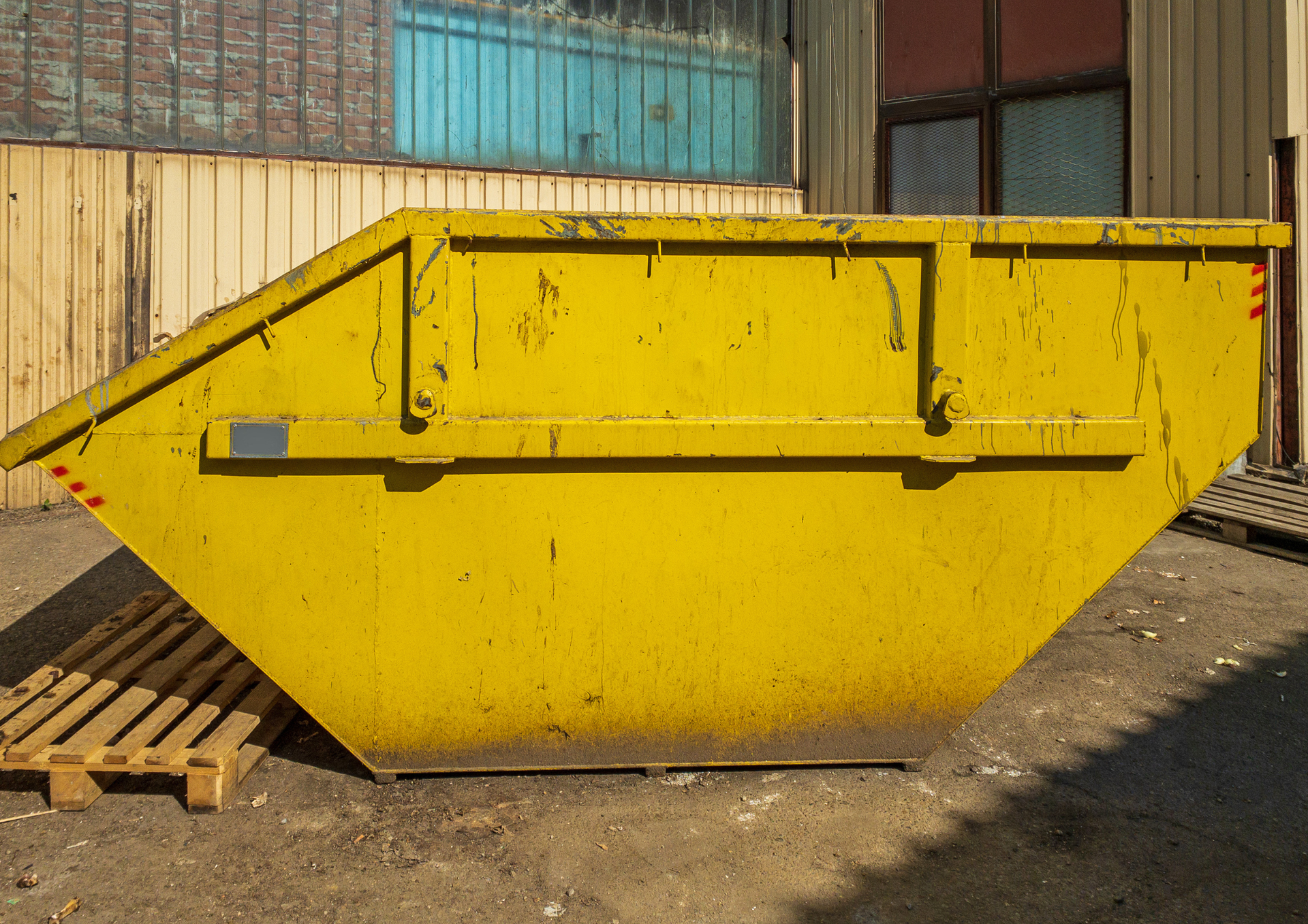

Skip Hire Prices for Small, Medium and Large Clearance Projects
Clearing a property can range from removing a few unwanted household items to emptying several rooms, garages, sheds and outdoor areas. The scale of the work makes a significant difference to the amount of waste produced and the type of container required. Understanding skip hire prices before starting can therefore help homeowners, landlords, surveyors and those responsible for residential or commercial properties plan their clearance more effectively.
A small decluttering project may produce only a modest amount of rubbish, while moving home, preparing a rental property or clearing premises after refurbishment can create considerably more. Estimating the volume before booking helps prevent wasted capacity and reduces the likelihood of needing an additional collection halfway through the job.
Customers in Ashford and elsewhere should also consider practical factors such as property access, available placement space, the type of materials being removed and how long the container will be required. A quotation should be considered alongside the complete service rather than viewed as an isolated figure. Reliable delivery, appropriate capacity and organised collection can all contribute to better overall value.
Understanding the Requirements of Small Clearance Jobs
Smaller clearances may appear straightforward, but careful planning can still save time, space and unnecessary expense. The objective should be to select enough capacity for the expected waste without choosing something considerably larger than the project requires.
Single-Room Clearances
- Bedrooms, home offices and spare rooms may contain old furniture, flooring, packaging and general household items.
- Sorting belongings before the container arrives gives customers a clearer idea of how much disposal capacity is actually required.
- Reusable or recyclable items can be separated in advance where appropriate.
Loft and Cupboard Clear-Outs
- Stored belongings can accumulate gradually, making the final waste volume difficult to estimate at first glance.
- Bringing items together before booking can provide a more realistic picture of the space needed.
- Boxes and bulky objects should be considered by volume rather than simply by the number of individual items.
Small DIY Projects
- Decorating, removing old flooring or replacing fixtures can produce a mixture of packaging and renovation debris.
- Heavier materials should be identified before booking because different waste types can have specific handling requirements.
- Planning disposal alongside the DIY schedule prevents rubbish from taking over useful working space.
Garden and Shed Clearances
- Old garden furniture, damaged fencing, plant pots and unwanted shed contents can occupy more room than expected.
- Green waste should be separated from other materials where practical.
- Clear access from the garden to the collection point can make loading more straightforward.
For smaller jobs, cheap skip hire should be considered in terms of overall value rather than the advertised figure alone. Suitable capacity, clear booking information and dependable collection arrangements can be just as important as the initial quotation.
Planning Medium-Sized Home and Property Clearances
Medium-sized clearances often involve several areas of a property rather than one isolated room. Examples can include preparing a home for new occupants, clearing accumulated belongings before renovation, dealing with waste from a kitchen refurbishment or combining indoor and outdoor clearance work.
The first step is to assess the property systematically. Moving from room to room and identifying what will remain, what can be reused and what needs removing provides a much clearer picture of the likely waste volume. This is particularly useful for landlords and property managers preparing accommodation between tenancies, where several different types of unwanted material may need to be handled within a relatively short period.
Customers searching for skip hire prices near me should look beyond proximity and consider exactly what is included in the service. Delivery arrangements, collection procedures, expected hire duration and guidance about acceptable materials should all be clear before a booking is confirmed.
Medium clearances also benefit from a sensible loading plan. Bulky items can consume valuable space when placed into a container without thought. Breaking down suitable furniture and flattening packaging can make better use of the available capacity, provided materials can be dismantled safely.
Access deserves attention as well. Residential streets, driveways and commercial premises all present different challenges. Before delivery, customers should consider whether there is enough room for the vehicle to approach and position the container appropriately. If placement on a public road is required, local requirements may also need to be considered in advance.
Timing can make the process easier. Having the container delivered shortly before the main clearance begins means waste can be loaded as work progresses rather than being stored temporarily around the property. Similarly, arranging collection once the work is complete helps return driveways, yards and other working areas to normal use promptly.
For medium-sized jobs, organisation is often the difference between a straightforward clearance and one that becomes unnecessarily complicated. Estimating volume, understanding access and coordinating delivery with the work schedule all contribute to a smoother process.
Comparing Requirements for Larger Clearance Projects
Larger property clearances require more detailed preparation because waste can come from multiple rooms, storage areas and external spaces. Understanding skip hire prices in relation to the scale of the work helps customers assess the overall service rather than simply focusing on the size of the container.
Whole-House Clearances
- Clearing an entire property can produce furniture, household belongings, flooring, packaging and miscellaneous waste.
- A room-by-room assessment provides a more accurate estimate than trying to judge the whole property at once.
- Items intended for reuse or recycling should be separated before general waste is loaded.
Major Renovation Projects
- Refurbishments may generate timber, old fittings, plasterboard and other building materials alongside ordinary household rubbish.
- Waste volumes can change as work progresses, so planning should account for each stage of the renovation.
- Discussing material types beforehand helps ensure the chosen arrangement is suitable for the intended waste.
Landlord and Property Portfolio Work
- Larger rental properties may require substantial clearance between occupants or before refurbishment.
- Coordinating disposal with cleaners, decorators and tradespeople can reduce disruption.
- Clear delivery and collection arrangements help prevent the container from remaining on site longer than necessary.
Commercial and Managed Properties
- Offices, shops and other premises can contain bulky fixtures, shelving, furniture and accumulated materials.
- Access should be assessed carefully where customers, employees or other contractors continue to use the property.
- Planning loading areas and keeping routes clear helps maintain an orderly working environment.
Outdoor and Mixed Clearances
- Larger projects may combine household rubbish with garage, shed and garden materials.
- Sorting different materials before loading can simplify the process.
- Estimating external waste separately can provide a more realistic understanding of total capacity requirements.
A larger container is not automatically the right choice simply because the property itself is large. The amount and nature of the waste should determine the most practical option. Careful assessment can help avoid unused capacity while ensuring enough space is available to complete the job efficiently.
What Else Can Affect the Overall Price of a Clearance?
Size is important, but it is only one element of the final quotation. Two projects that appear similar may have different requirements because of location, access, duration, waste type or collection arrangements. Understanding these variables makes it easier to compare services fairly.
The type of waste can influence how a clearance needs to be managed. General household belongings differ from heavy renovation materials, and some items may require separate disposal arrangements. Customers should describe their waste accurately when making an enquiry rather than assuming every material can be handled in the same way.
Hire duration is another consideration. A straightforward weekend clearance may require only a relatively short period, whereas renovation work can continue over several days or weeks. Knowing approximately how long the container will be needed helps the provider explain the available arrangements clearly.
Customers comparing skip prices should also check whether quotations are based on comparable services. One figure may cover a different capacity, hire period or collection arrangement from another, so comparing headline numbers without checking the details can create a misleading impression.
Access can affect planning as well. A spacious private driveway usually presents different delivery conditions from a narrow residential road or busy commercial location. Obstacles such as parked vehicles, gates, low branches and restricted entrances should be considered before the delivery date.
Customers should also think about when collection will be required. Leaving this decision until the last moment can be inconvenient if the property needs to be cleared quickly for new occupants, building work or another scheduled activity. Coordinating collection with the expected completion date provides a more organised approach.
A clear quotation, suitable capacity and realistic schedule allow customers to understand what they are arranging before committing. This is particularly valuable for larger or more complicated clearances where several people may be involved in managing the property.
Home clearance projects vary considerably, and choosing the right waste solution begins with understanding the scale and practical requirements of the work. A single-room clear-out has very different demands from an entire property clearance, while renovation work can introduce heavier materials and changing waste volumes as the project progresses.
When considering skip hire prices, customers should assess capacity, waste type, accessibility, hire duration and collection arrangements together. The lowest quotation is not automatically poor value, just as a higher figure does not automatically indicate a better service. Comparing equivalent arrangements provides a more useful basis for making a decision.
Good preparation can also prevent avoidable difficulties. Sorting belongings beforehand, estimating waste room by room and checking the proposed placement area all help create a smoother experience. Homeowners, landlords, surveyors, local authorities and those responsible for commercial properties can then select an arrangement based on their actual requirements rather than guesswork.
Ultimately, effective clearance planning is about finding a practical balance between capacity, convenience and dependable service. Taking time to understand the project before booking can make waste removal simpler and help keep the property organised throughout the work.
Skip Hire Ashford provides a straightforward starting point for customers planning small, medium or large clearance projects in Ashford and the surrounding area. We focus on practical information, clear communication and helping customers consider the size of their project, expected waste volume, access conditions and suitable collection arrangements before making a booking.
Understanding skip hire cost involves more than looking at a single headline figure. Our approach helps customers consider the wider requirements of their clearance so they can choose an appropriate solution without unnecessary complexity.
Whether the work involves clearing one room, preparing a rental property, managing renovation waste or emptying a larger residential or commercial building, we aim to make the process easier to understand. By providing useful guidance and an organised route to arranging waste removal, our website helps customers plan with greater confidence from the initial enquiry through to collection.
Check out our latest X update explaining
skip hire prices for small, medium and large clearance projects!
You might also like